Sunday, July 15, 2018

What’s on todays Menu? Waterfalls? – Skill Development on Day 6

Today we kicked off our day with cooking classes at UTM! It was a nice change of pace from being served delicious food to actually cooking it. I think I can speak for most college students and say our cooking skills are not the best. It should be noted that in Malaysia, agricultural education courses are referred to as “Life SkillsTo have a recipe in hand instead of ramen is a win! We divided into two groups, rinsed our hands, and we were off to cooking! We cooked the following:

Menu A:
  • Appetizer- Fried Wanton,
  • Main Course- Grilled Chicken Mandhi served with Rice, Salsa Sauce and Salata Salad,
  • Dessert Sagu Pudding, and a
  • Drink- Manggo  Lassi.
Menu B (prepared by the best group):
  • Appetizer- Tau Pok Bersarak,
  • Main Course- Yang Chow Fried Rice,
  • Dessert- Lychee Peach Cocktail Pudding, and a
  • Drink- Sirap Selassih.
I still can’t pronounce half of these names but what I can tell you is that they were wicked good! Though the Sirap Selassih is questionable and reminds me of little microbes so not for me fam, but the rest is good. A fun fact about the UTM Resturant is that they are self-sustain. They raise the majority of their money by selling the meals they cook to students on campus! So if you need a recommendation let me know!
After being well fed our next was to Kota Tinggi Waterfalls Resort! Who knew chasing waterfalls would be so much fun (sorry TLC)! It was about a two-hour ride up north, but it quickly passed with our jamming out sessions, with yours truly on aux. The waterfall was pretty cool but where we had the most fun was on the giant water slide! I’ve received a couple of bruises traveling down, but it was well worth it. We had a failed attempt to make a train down the slide, we ended up just getting stuck and scooting ourselves down. It was quite the site to see enough to have the locals watch and film us.
To end the night we had ourselves a pizza party! We taught our Malaysian friends some classic American dances like the cotton eye joe and the chacha slide. Today was full of food and laughs, not a wrong way to spend a day. Until next time!
Manny Catala (@MCatala35) is a preservice agricultural education candidate (#psuaged19) at The Pennsylvania State University (@TeachAgPSU).


Sunday, June 10, 2018

Reading Signage Without Knowing The Language

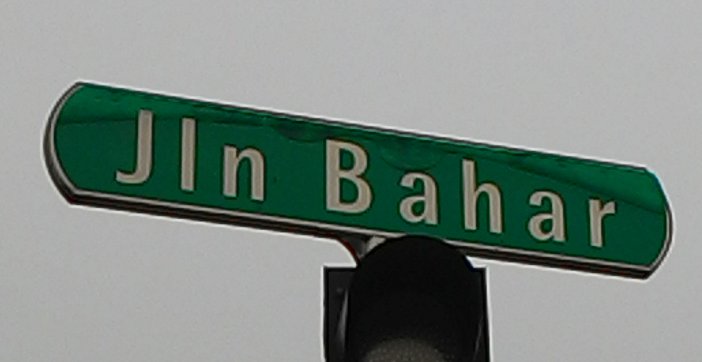
Signs are used to communicate a message to a reader and assist the reader in decision making with the information provided. There are many different signs used. From informing us on road conditions to recommended behavior in public. This summer I will be traveling to Malaysia for a month, so I thought it would be a great idea to get familiar with the signs. Most of the signage in Malaysia is written in their official language Malay. To stay safe and get around the country I've had to learn a few keywords and phrases.

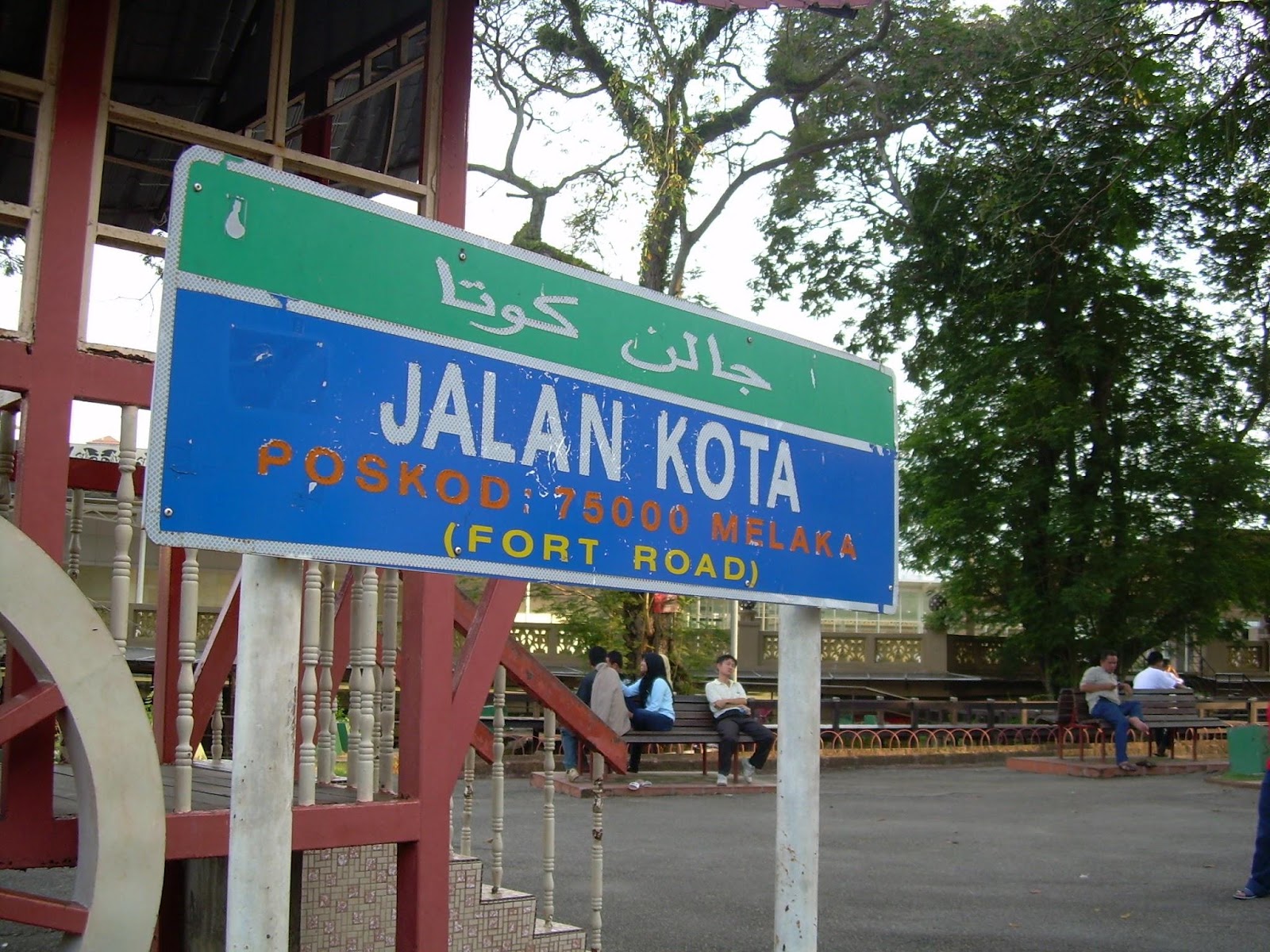
Jalan means “road” or “street.”
If you come across a sign that has the word "Jalan or Jln" in it, you'll know it's a street sign.


Peringatan means warning! 
Anytime you see this sign pay close attention because it has relevant information.


Perhentian Tekis means "Taxi Stop."
If you ever get tired of walking or need a lift just look for this sign. A taxi will be on its way!

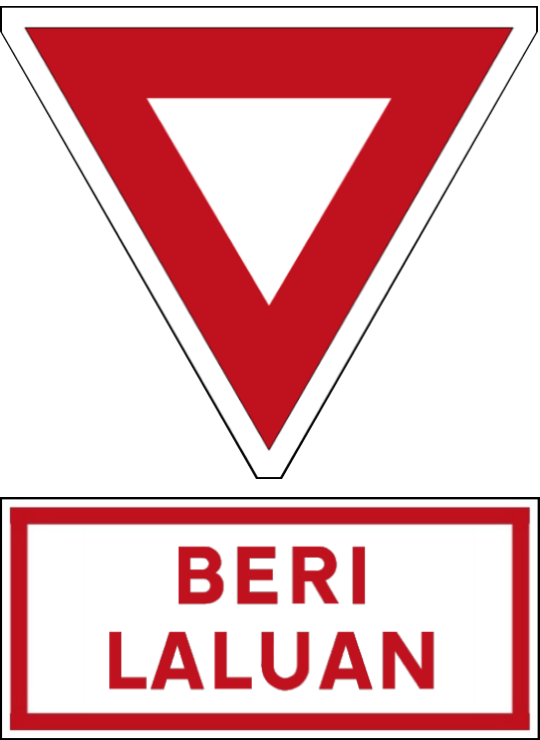
Beri Laluan means “Give way."
This is similar to our Yield sign here in the United States, so make sure to always yield if needed!

\


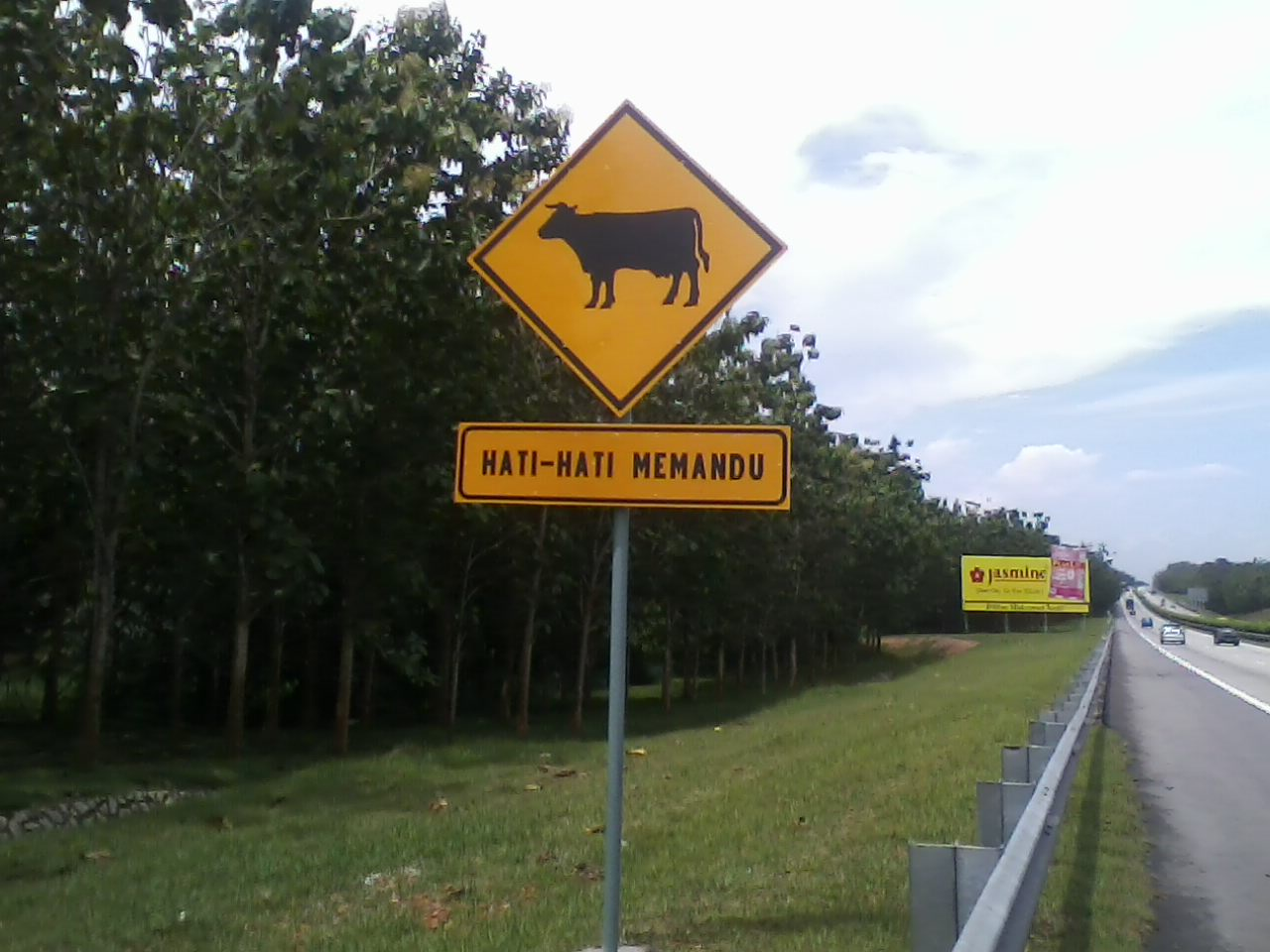
Hati-Hati Memandu means "Drive Carefully."
It's always a good idea to drive carefully; especially if cows are involved! Mooove out the way!


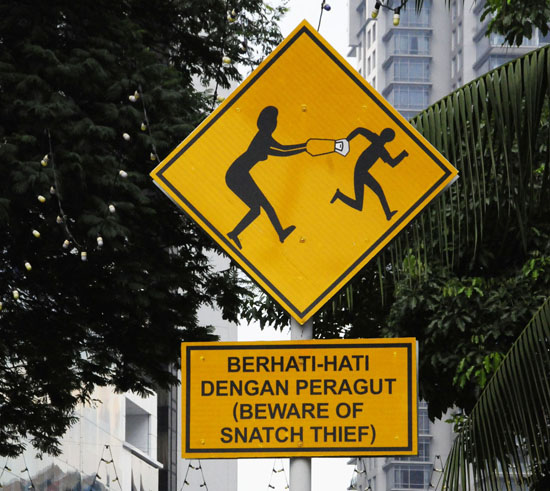
Berhati-hait dengan peragut means "Beware of snatch thieves."
When traveling tourists are easy prey for purse snatchers and pickpocketers so if you see this you've been warned! Keep your belongings close and be careful! 


Dilarang means "prohibited."
Sometimes we need a little reminder not to do certain things in the bathroom. Like squatting on the toilet or even washing your feet in them! 


No matter where you go you'll find signs that have valuable information on them. Some may seem bizarre, but if it's there then it's for a good reason so follow them! Lucky for you, if you ever travel in Malaysia, you'll know a few! 

Monday, May 7, 2018

Becoming a transdisciplinary problem solver


Last month I had the wicked cool opportunity to travel to Washington D.C. to learn about different organization involved with international development. While there we visited: Oxfam, CNFA, USAID, USDA, and Senator Bob Casey office. Each of these organizations develops and implement programs to end food insecurity, promote gender equality, and establish access to the market for farmers in developing countries. It was really cool to see the magnitude of aid these organizations provide and all different sectors involved. What I learned is that you have to be a transdisciplinary problem solver when it comes to international development issues.  For example, finding a solution for food insecurity. Many professional and politicians may have their own views of ending food insecurity and are convinced that they have the "right answers." But food insecurity is such a complex issue in itself, so it's going to take professionals from all different fields coming together and working collectively to create a new solution beyond disciplinary boundaries. By being a transdisciplinary problem solver, you are able to see beyond one discipline but understand how some can connect and work together.  When thinking about this, it reminded me of Agricultural Education.  Ag teachers have a various amount of knowledge in different disciplines. But they are able to pull from these disciplines to create an entirely new product for their students. Moving forward I am excited to see how else I can become a transdisciplinary problem solver! 


Monday, April 16, 2018

What Do I Look For???


When it’s come to selecting a coopering center, there are tons of questions and concerns that run through your head. For me, I had tons of questions and was a little lost in where to start. Starting the search for a coopering center has been tricky and challenging. The most significant challenge I had was trying to select a school, not knowing anything about the programs in Pennsylvania. For starters, I knew that I wanted a program that had a diverse group of students and a wide range of agricultural topics, but I didn't know what programs had those two criteria.

Fortunately, I was able to contact a few past student teacher candidates and ask them: What do you seek in a cooperating center and why?

First question: What do you seek in a cooperating center?

“ I look for the following: teacher to student ratio, classes taught, flexibility in what I want to do with my classes (CASE?), distance to nearest grocery store/where I am going to live for the semester, hours of when things are (FFA meetings/school starting/etc.), who my cooperating teacher is and how they teach their classes, school demographics of students, and how the administration is/involvement” -Olivia Murphy-Sweet.  


“Picking a cooperating center that works for you, that teacher, and the school is SO important. You want to look for a teacher who is going to mentor you, provide good critical feedback, and always push you to become better. For me, I would say all three of these things can occur if you have a good relationship with open lines of communication. It is critical that you can talk to one another if you have concerns, a problem, or need their advice”.- Allyson Balmer.

“I wanted a place with places I was not strong in. My high school program only had one teacher, so I wanted to experience a multi-teacher program. I also knew that I was not very strong in "shop" and wanted to gain experience in that while under the guidance of an experienced teacher. I also wanted an active FFA chapter showing all three parts of the model. So I chose Dover with Alex Barzydlo because they had a 3 teacher program, a wide diversity of classes and even an 8th-grade class. I was able to gain a lot of experience” ~ Jeanne Case.

My thoughts:

Olivia and Jeanne chose to focus more so on the program itself and not so much on the relationship between the teacher, unlike Allyson. It’s great to have these three different perspectives. At first, I was more concern with the program and didn’t think about the relationship I would need to develop. My logic was the program itself was concrete and I wouldn’t be able to change it, but I could change the relationship I have with the teachers. I generally view myself as easy going and get along with people. Building relationships have always been easy for me, so I didn’t think much about it. After getting in contact with Allyson, my mindset has shifted towards focusing on the relationship with the teacher.

Second: Why?


“I student taught at WB Saul HS in Philadelphia because I wanted a different student base than what I was used to growing up in the suburban area. There was a need for student teachers, and my classes were very overcrowded which provided an interesting learning environment for me. I wanted to make sure that I knew the surrounding areas and how the school ran as a whole AND how involved they were in the community. All of these are important when considering a school program!” – Olivia Murphy-Sweet

“I think student teaching/cooperating center is a good time to push yourself out of your comfort zone, because there are people to catch you if you fall, as opposed to being in your department. How better to become more comfortable with a subject when you have an expert there to work with you along the way?  That being said, you need to be able to communicate effectively with your cooperating teacher. If you choose a school and do not get along with your cooperating teacher or don't at least have mutual respect.... you will not have a good student teaching experience, and that may deter you from wanting to go into the profession.” ~Jeanne Case

“You also want to challenge yourself. Pick a school very different from the high school Ag program you might have come from, pick a school where you will teach an area that you are weak in. If you are going to challenge yourself, now is the time to do it under and experts supervision” - Allyson Balmer

My thoughts:

The biggest thoughts I took away from this question is to challenge yourself and develop a relationship. All three were looking to step out of their comfort zones and try something new. Stepping out your comfort zone is very important when it comes to growing as an individual. Allyson and Jeanne bring up a good point that this is the time where you can mess up and get instant feedback on how to fix it. As I continue my search for a cooperating center, I am excited to see what types of relationships I can form with a coopering center and which ones stick out the most!

Sunday, April 1, 2018

TLT Symposium Experience!

In mid-March, I had the opportunity to attend The Teaching and Learning with Technology Symposium at the Penn Stater! To kick off the conference Stephen J Dubner an award-winning author gave a hilarious yet inspirational keynote. Who knew that monkey prostitution was a thing... I guess monkey see monkey do is in fact true.  If that's the case then the scientist Keith Chen has some explaining to do.  


After the keynote, we went our separate ways into our workshops. I found myself sitting front row in the workshop "But what if I cry."  The workshop was centered around using technology to understand empathy and compassion. To help understand this, we watched a couple of videos of students sharing their morals moments. After watching the videos, the guest speaker Susan Russell approached me. I was a little caught off guard (still processing monkey prostitution) and when asked what made the students successful.  My response-- apparently the right one, students were successful because they were able to identify their morals and goals.  I learned when you identify the reason why you are doing something it provides a clear direction to achieve your goal. 


At first, I was a little hesitant about the conference not knowing exactly what I would learn. But, leaving the conference, I felt full. Not just from all the carrot cake, I ate, but from all the different ways I could use technology in the classroom. 


Thursday, March 1, 2018

Welcome !
My name is Manny Catala, I will use this blog to share my experiences with student teacher preparation. At the moment, I have started my journey by looking at cooperating centers; there's so many great choices!

Currently, I am junior majoring in Agriculture and Extension Education with a minor in International Agriculture. I was born in Massachusetts but raised in New Hampshire, where I've lived for the past 20 years. I come from a family of thoroughbred racehorse trainers and jockeys.  My siblings and I  spent most of our summers and weekends helping our mother at the track. There, is where I have developed a passion for animals and a sparked an interest in agriculture.

Junior year of high school I enrolled into my Animal and Plant Science, where I was introduced to FFA. In my class, my spark became a flame engulfing everything and anything of agriculture and FFA. In my last two years of high school I took advantage of every opportunity given by competing lots of Career Development Events and becoming a chapter officer.  During my senior year I decided to run for state office and was fortunate enough to become an officer. That year of service really solidify my decision to major in agriculture education.

I am wicked excited to be part of the PSU  AgEd team can't wait to see where this journey takes me!

If you want tag a long, read about my journey!

Thanks for reading!

-Manny